Ten Quid, a Biro and a Folded Chair
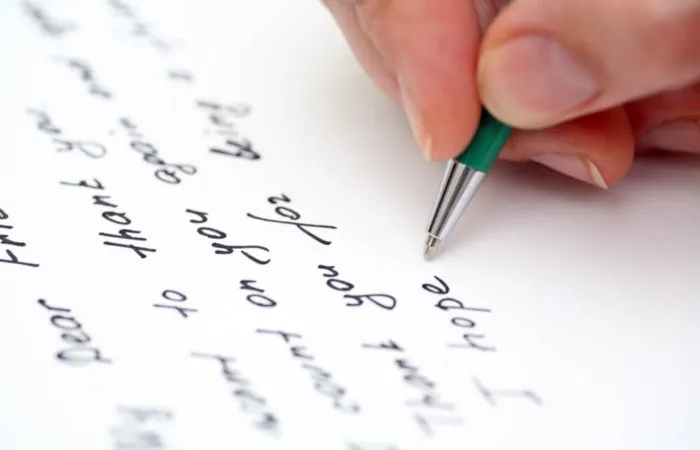
Photo: handwritten merch table with CDs and cash box at a small venue gig, via www.paperdirect.com
There is a specific hour after a gig that nobody writes songs about. The house lights are up. Half the room has gone, the other half is doing that slow, reluctant drift towards the door, and I am sitting behind a folded chair with a tenner float, a slightly sticky biro, and a stack of CDs I am now committed to personally transporting around the country.
I love this bit. I genuinely do. It is the last honest conversation I have with an audience all night, and it is almost always more useful than anything I read online about what is working.
The table doesn't lie
Here is what I like about the merch table: it removes the noise. Online, everybody is roughly equally enthusiastic, because a like costs nothing. But a person who walks up to a table, opens a wallet, and hands you actual money has made a small decision with consequences. That is data.
And it is data you can hear. Which thing did they pick up, put down, pick up again? Which track did they name? Why did they buy the one with the blue artwork and not the one with the good reviews? You do not get any of that from a monthly analytics chart. You get it from a person standing in front of you in a slightly too-warm room in Tunbridge Wells, saying I nearly didn't come out tonight.
The three-time buyer
Every touring musician has one. Mine is a man from Cardiff who has bought the same album on three separate occasions, at three separate shows, and each time has been genuinely surprised to learn he already owns it.
I used to find this baffling. Now I find it the most reassuring thing in the world. What he is actually buying is a small, repeatable event: the recollection of having had a good night, plus the licence to say hello. The CD is basically a receipt for a memory. He is not buying plastic, he is buying proof.
Once you understand that, your whole table changes. It stops being about stock, and starts being about the shape of the evening.
Pricing, or: what I have tried in 2026
Let me be useful rather than just charming. Here is roughly where I have landed this year, on a short run of records and a sensible-ish amount of shipping:
- The CD sits at £10. Not because I did maths, but because £10 is the lowest note in the wallet that still feels like a decision. Below that it feels like a freebie. Above it, in a room with 60 people, it stops being casual.
- £15 for a record plus a tote. Bundles do the heavy lifting. Nobody wants a fifth option; give them two and let them pick.
- Pay-what-you-want works exactly once per tour. It is lovely and generous and it will absolutely be taken advantage of by one bloke who gives you 50p and a long opinion. Fine. Do it once, in your hometown, and tell people why.
- Contactless changed things. A reader on the table means the person who came out without cash still leaves with something. It also means you can no longer tell yourself cash is the problem.
And whatever you do, know what you paid per unit before you stand there. There is a particular sadness in doing the sums on a Sunday afternoon in a Travelodge and discovering that the nice decision you made at 11pm on a Saturday was actually a generous gift to a stranger.
A biro beats a QR code
This is the bit I will fight people about.
The QR code is a brilliant invention for menus. For merch tables it is a barrier with good branding. The person at your table has already made the hard decision — they have chosen to engage, they are standing there, they are in the mood. Do not send them back to a phone screen to fumble for signal in a basement venue in Leeds. Give them the thing they can hold now, and let the queue be your problem, not theirs.
What a QR code also cannot do is the thing that actually builds a following: it cannot ask a question.
A handwritten sign, though — a slightly wonky one, in your own handwriting, with a joke on it about how the second album was a mistake — that starts conversations. People read handwriting. It invites the small talk. It is the cheapest piece of branding you will ever own, and it costs one biro.
Small talk is research
I have heard good set about nine hundred times. It means nothing. It is the social lubricant of the room.
But then someone says I liked the one about your dad's van, and you learn something. Someone says I bought the first one at the Brudenell last spring, and you learn something else: people are travelling with you. Someone says I'm not on Spotify, have you got it on the CD and you remember that in 2026 there is a whole extra audience of people who still want a physical object, and they are not, in fact, a joke.
That is the market research. It is worth more than any survey, because it is unprompted and it is happening in front of you in a room that smells faintly of spilled beer.
What I'd tell anyone setting up their first table
Bring a light. Venues turn the house lights down and then forget to ever turn them back on. Bring a friend to run it — you will be tired and vague and you will undersell yourself. Price in round numbers and stand behind them without wriggling. Keep a running list on your phone of what went and what didn't, because your memory of a Saturday night is a liar.
And stay out there a bit longer than feels natural. The last person to leave often has the best question of the night.
The folded chair is not the glamorous end of the job. But it is the end where you find out who is actually on the bus with you — and that, it turns out, is worth shipping a box of CDs to Clwb Ifor Bach and back.