Kettle, Fridge, Car Park: The Three Auditions Every New Song Must Pass
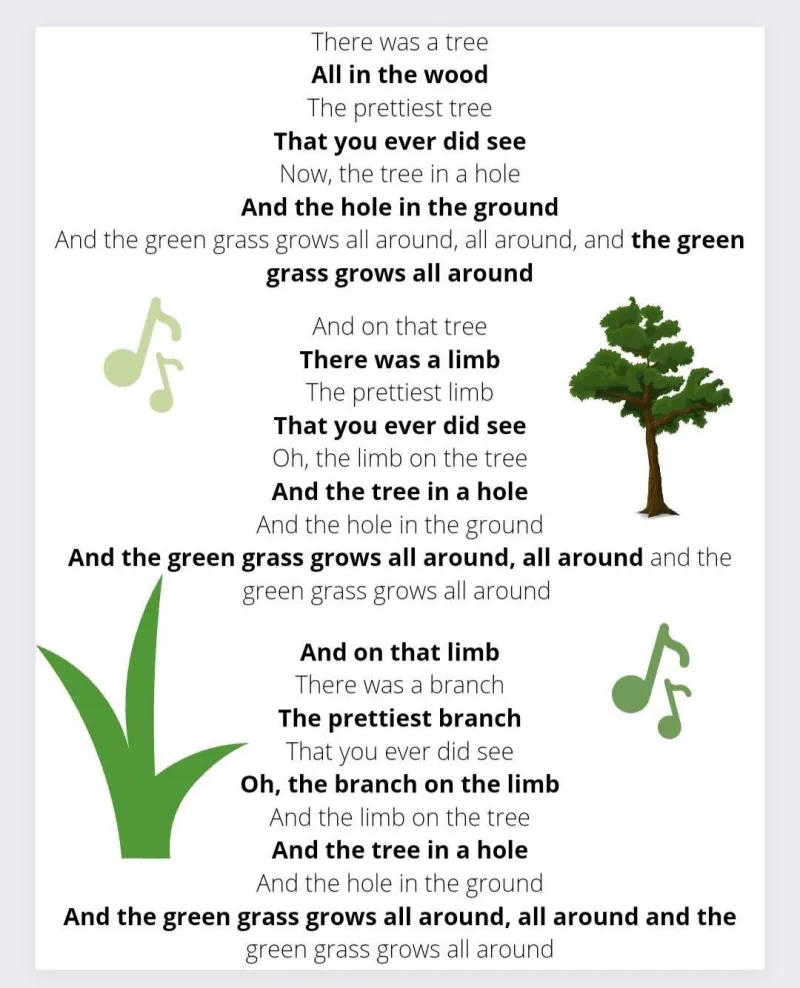
Photo: lyrics pinned to fridge door with magnets in UK kitchen songwriter, via i.etsystatic.com
Finishing a song is not a ceremony. There’s no gavel, no plaque, no moment when the clouds part and a voice says: that’ll do. In my experience, a song is finished when it stops being interesting to fiddle with and starts being useful in ordinary life. That’s a less glamorous benchmark than a perfect mix, but it’s the one I trust.
I write in a small room with a radiator that clanks like a reluctant percussionist. The demos I make there are not impressive. They are notes to myself: a guitar, a vocal, maybe a shaker if I’m feeling grand. The real work happens afterwards, when the song has to leave the desk and go and stand in the kitchen. That’s where the three auditions begin.
The Kettle Is a Better Critic Than I Am
The first test is the kettle test. I make a cup of tea, stand by the counter and sing the new thing while the water boils. No guitar, no backing track, no reverb pretending to be atmosphere. Just me and the rising noise of a kitchen appliance.
This is brutal in a useful way. A melody that felt clever in the studio can turn to porridge when you’re half-distracted and waiting for a teabag to steep. If I forget the second verse while the kettle is rumbling, that’s not necessarily a disaster. If I forget why the second verse exists, that’s a warning. If the chorus needs me to remember a specific production trick in order to feel like a chorus, then it isn’t a chorus yet. It’s an arrangement idea wearing a chorus costume.
The kettle test also catches the lyrics that are only there to look good on paper. A line can seem deep in a notebook and then sound like a fridge manual when sung at normal volume in a normal room. I’ve cut plenty of lines that way. The song usually thanks me later.
Fridge Door, Not Mood Board
Once I think the lyric is close, I stick it on the fridge door. Not in a fancy frame. Just a printed page held up with whatever magnet is nearest, usually one from a garage somewhere on the A38. The fridge door is a strange but honest audience. It’s there when I’m making breakfast, hunting for milk, or waiting for the toaster to do its one job.
A song that only works when I’m sitting down to study it is probably too fussy. A song that catches my eye while I’m looking for leftover pasta has something. I don’t mean that every lyric needs to be instantly obvious. I mean it needs to have a pulse. It needs to make me want to pick up the guitar again, even if I’m in socks and the day is already doing its best to get in the way.
The fridge door also exposes clutter. If there are three lines doing the same job, I’ll see it by Thursday. If the chorus repeats a word because I was too tired to find a better one, the magnet will hold it there, judging me silently beside a takeaway menu. A week of glancing at it is worth more than an hour of glaring at a screen.
The Car Park Verse
Then comes the car park test. This sounds more rock and roll than it is. I mean a supermarket car park, usually, or a service station if I’m travelling. I’ll sit in the car, engine off, and sing the song quietly to myself while somebody nearby wrestles a trolley into a bay.
Why a car park? Because it’s a nowhere place. It has no mood lighting, no sympathetic audience, no pint in your hand. It’s just a box of metal and glass beside a road. If the song can hold its shape there, it’s got a decent skeleton. If I feel faintly embarrassed singing it to the steering wheel, I need to ask why. Sometimes the answer is that the song is too private and needs a different setting. Usually it’s that the song is pretending to be bigger than it is.
The car park is also good for testing the first line. A first line has to do a lot of work. It has to make a stranger lean in, or at least not lean away. In a car park, with a wet windscreen and a radio advert bleeding through the wall of the shop, there’s nowhere to hide. If the opening line still lands, keep it.
A Week of Ordinary Rubbish
After that, I try to leave the song alone for a week. This is the hardest part. I want to keep opening the file, nudging a word, adding a harmony that nobody asked for. Instead I put the lyric on the fridge, hum it while washing up, and see whether it turns up uninvited.
A good song starts to attach itself to small things. I’ll be walking to the bus stop and a line will come back. I’ll be in the queue at the post office and the chorus will arrive with a slightly different phrasing. That’s not magic. That’s just the song finding a place in my head alongside all the ordinary rubbish. If it can’t do that, it might still be a decent piece of writing, but it isn’t ready to be played to people.
This week also reveals the bits I’m avoiding. There’s usually one line or one chord change I keep skipping when I play it casually. That skip is information. It means the join is visible. I go back and fix the join, not the whole house.
When It Fails, It Usually Fails Small
Most songs don’t fail these tests dramatically. They fail in small, manageable ways. The second verse is a repeat of the first with different scenery. The bridge is there because bridges are supposed to be there. The last chorus is loud because I ran out of ideas and reached for volume. The fridge door makes those things obvious because it doesn’t care about my intentions.
I’ve learned to trust that. A song that survives a week of domestic life is usually ready for a room. It doesn’t need to be perfect. It needs to be sturdy. It needs to work when the audience is distracted, when the PA is doing something strange, when someone’s phone goes off during the quiet bit. That’s the real standard.
The Room Is the Last Exam
The final test is a crowded room, but that’s not something I can fake in a kitchen. I can only prepare for it. The kettle, the fridge and the car park are the rehearsals for real life. They tell me whether the song has a spine. The room tells me whether it has a pulse.
So when people ask how I know a song is finished, I don’t say it’s when the mix is clean or the demo is uploaded. I say it’s when I can sing it while the kettle boils, see it on the fridge door without wincing, and carry it through a car park without feeling like I’m wearing someone else’s coat. That’s not a very studio answer. But it’s the one that gets songs out of the house and into the world.