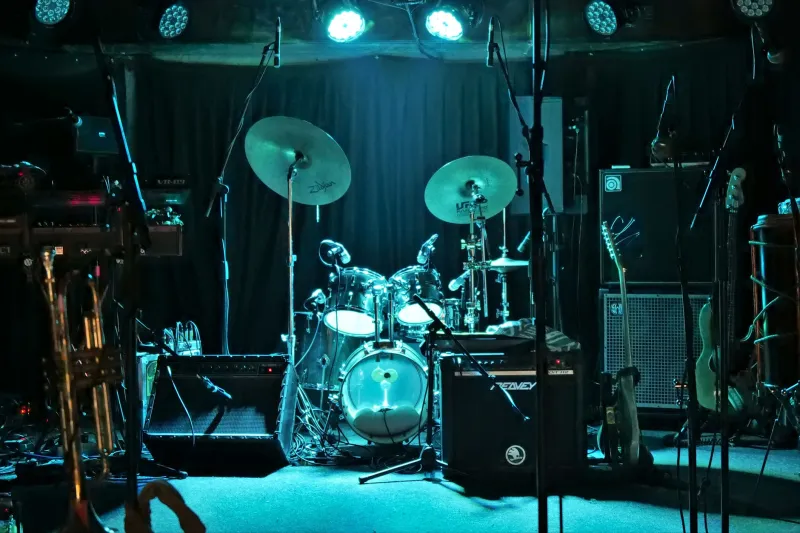
The Quiet Ten: Recording the Silence in Other People's Rooms
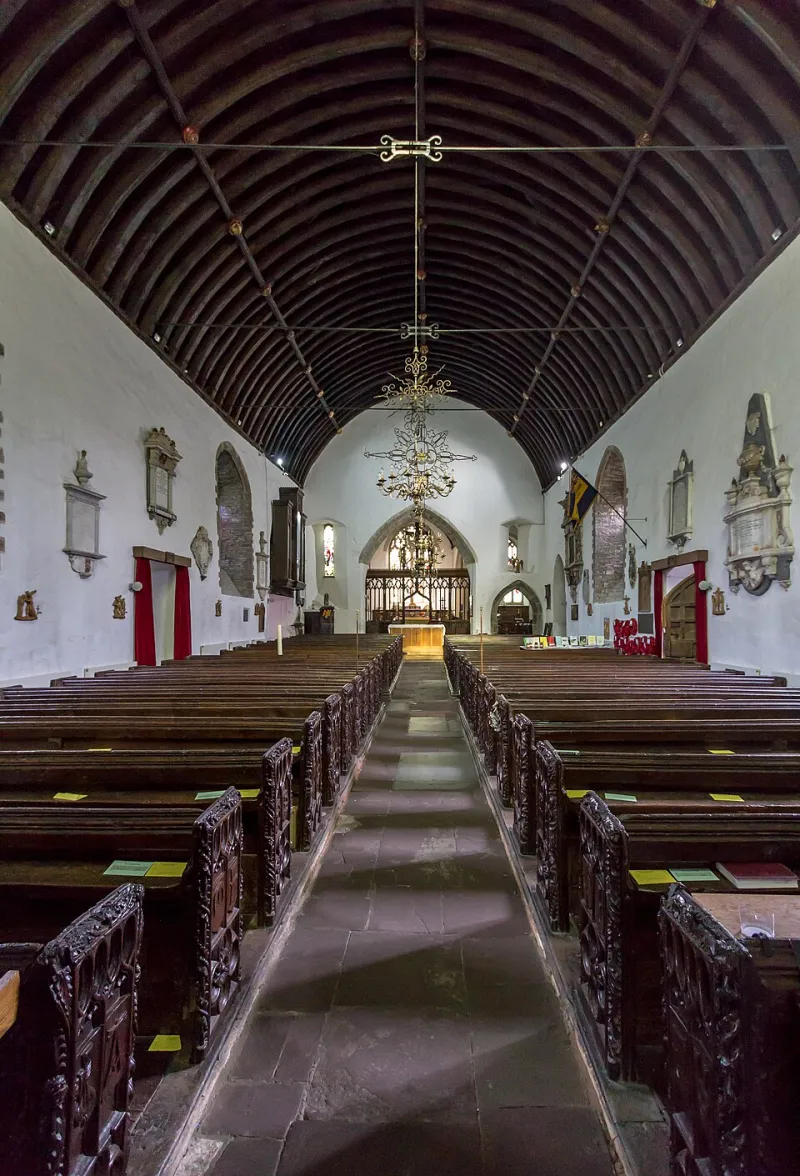
Photo: Dietmar Rabich, CC BY-SA 4.0, via Wikimedia Commons
I have a small ritual that makes no sound. Before the first chord, before the count-in, before anyone has remembered to turn the boiler off, I press record and stand still for ten seconds. No tuning, no cough, no clever bit of fingerpicking. Just the room, breathing.
The ritual before the first note
It started as a technical habit. Room tone is the sound of a space with nobody playing in it — the fridge, the clock, the distant A-road, the neighbour's extractor fan. You capture it so you can patch things later without the edit sounding like a hole cut in the tape. That is the sensible reason. The less sensible reason is that those ten seconds have become the most useful part of any session in someone else's house, hall or rehearsal room.
What the silence is actually telling you
Ten seconds is long enough to hear what a room wants to do. A terraced front room will hum along with the fridge and rattle its sash windows when a bus goes past. A church hall will hold the tail of a dropped plectrum for what feels like a full verse. A carpeted rehearsal box will give you a dead, papery silence and then a fluorescent light will buzz into life like it has been waiting for its moment.
You learn quickly that room tone is not background. It is the room's own performance. And in 2026, when a decent condenser microphone costs less than a weekend away, it is easy to forget that no capsule on earth can un-buzz a strip light or un-hum a chest freezer. The quiet ten tells you where to stand, which way to point the mic, and whether the song in your head is going to survive contact with the actual building.
The kitchen that sang in F
I once recorded in a borrowed kitchen because it was the only room with a table big enough for the laptop and a door that shut. The ten seconds revealed a fridge that hummed a reliable F, a kettle that clicked on every four minutes, and a clock above the door that ticked like a tiny metronome with no sense of tempo. We moved the mic two feet to the left, unplugged the fridge for the takes, and recorded the clock as a joke. It ended up low in the mix on the last chorus. Not because it was clever. Because it sounded like the room.
That is the trade. You do not get a perfect room unless you build one. You get a room with a personality, and you decide whether to fight it or let it sing.
Churches, halls and the long goodbye
Church halls are the opposite problem. The ten seconds goes on forever. You clap once, and the building claps back three times. That long tail can be gorgeous on a harmony and disastrous on a snare. The trick is not to kill it but to place it. Stand closer than feels natural. Point the mic down the length of the room rather than across it. Record the silence from three spots and listen back on headphones. You will hear the point where the room stops being an effect and starts being a fog.
And you will hear the heating pipes. Always the heating pipes.
The rehearsal room with a secret
The most useful ten seconds I have recorded this year were in a rehearsal room that looked like a padded cell and sounded like one. Dead, dry, no bounce. Perfect for a close vocal, useless for an acoustic guitar. The silence gave away a buzzing power supply behind the drum riser and a fan in the ceiling that clicked on a cycle. We moved the amp, turned the fan off between takes, and stopped chasing a microphone upgrade that would not have fixed either problem.
That is the practical lesson I keep relearning. In 2026, gear is not the bottleneck. Rooms are. And rooms are mostly other people's lives. The silence tells you what you are sharing the space with.
What the quiet ten says about the people who lend you the room
There is a social side to it as well. The ten seconds is a chance to hear how the room is used when you are not there. The kitchen clock. The dog upstairs. The washing machine on a spin cycle. The neighbour's telly through the wall. You are a guest in someone's Tuesday. It pays to act like one.
So I ask before I unplug anything. I put things back where they were. I keep the tea intake sensible and the biscuit tin honest. I tell them what the ten seconds found, because most people are delighted to learn their house has a note. One host stood in the doorway while I played back the silence and said, 'That's my fridge, that is.' She sounded almost proud. Fair enough. It is a good fridge.
How to do it without making it weird
Keep it simple. Record thirty seconds in each position you might use, not ten, because ten is the minimum and thirty gives you something to loop. Write down what you hear — fridge, clock, road, boiler, bird, neighbour. Turn off what can be turned off and note what cannot. Use the same mic and preamp you will record with, because the noise is part of that chain. And leave the room tone running for ten seconds at the end of every take. Future you will be grateful when the edit needs a breath.
Do not spend an hour on it. The point is not to become a room-tone collector. The point is to listen before you play.
The bit after the last note
I still do the quiet ten at home, even when the room is mine and the fridge is the same fridge I have heard for years. It settles me. It is the same feeling as standing at the side of a stage before doors, listening to the room fill up. You are not waiting for inspiration. You are just checking what is already there.
Songs, stages and studio notes all start in the same place: a space with a sound of its own. Ten seconds of silence is not dead air. It is the first take.