The Maybe List: What a Forty-Seven-Name Guest List Taught Me About a Room

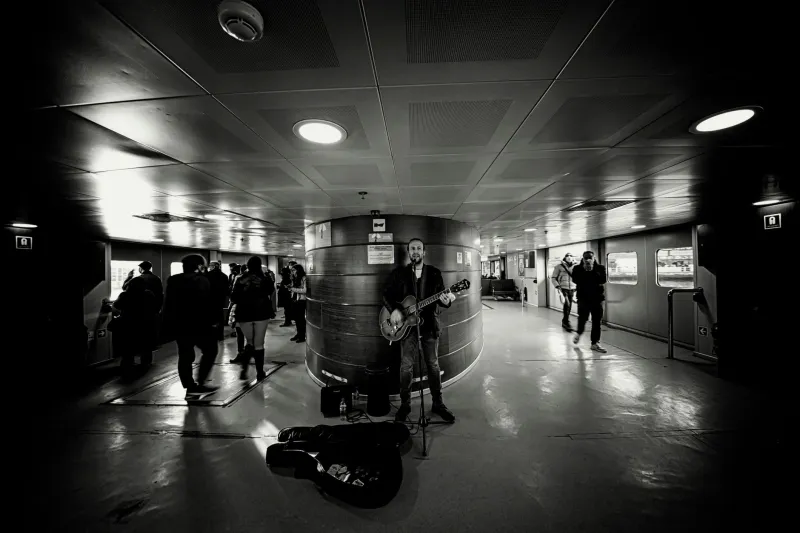
There is a particular sound a guest list makes before a gig. Not the rustle of paper, though there is that. It is the sound of a small social machine idling: a phone buzzing with a name, a promoter saying “I’ll put them down, but they need to be in by eight,” a friend insisting they are definitely coming, absolutely, just checking about parking. I have kept these lists for years. In 2026 I finally counted one properly. Forty-seven names. It was a Tuesday room above a pub in Leeds with a capacity of ninety, and I had convinced myself the list was the room.
It wasn’t. The room was fine. The list was a novel.
The arithmetic of maybe
The first thing you learn is that a guest list is not a count. It is a mood. People say yes to a gig the way they say yes to a barbecue in July: with genuine warmth and no diary. That is not a betrayal. It is just how invitations work. A name on a list can mean “I would love to,” “I might bring someone,” “I owe you one from your last gig,” or “I am being polite because we were standing near each other when you asked.” All four are valid. Only one of them reliably produces a body at the door.
I used to treat the list as a forecast. I would look at the names and build the night in my head: aunties at the back, old bandmates near the bar, that one friend who always requests the song I no longer play. Then doors would open and the room would fill at its own pace, with its own people. The list was never wrong, exactly. It was just answering a different question.
Plus-ones, promoters and the politics of a clip
The plus-one is the great unknown of the small gig. “Can I bring someone?” is such a reasonable request. Of course you can. But the plus-one changes the arithmetic. Sometimes they arrive and become a new listener, standing quietly with a pint and leaving with a CD. Sometimes they are the reason your friend came at all. Sometimes they are the reason your friend leaves at the interval because the plus-one has an early train. You cannot legislate for it. You can only leave a couple of names spare and stop pretending the clipboard is a science.
Promoters have their own relationship with the list. They want names because names fill rooms, but they also know a list can be a work of speculative fiction. I have watched a promoter scan forty-seven names and quietly say, “I’ll put you down for twenty.” That is not cynicism. That is experience. The good ones are generous with the clip and realistic about the headcount. The best ones never make you feel daft for hoping.
The three who always show
There are always three. Not always the same three, but three in spirit. The friend who arrives early and stands at the front with the energy of a person who has decided to have a good time on your behalf. The one who brings a mate you have never met and says, “I told them you were good,” which is both lovely and a small act of pressure. And the one who cannot come but sends a message at 7:58 that says, “Sorry, mate, bad day, next time for sure,” and means it so sincerely that you feel guilty for even counting.
The three who always show are not a turnout strategy. They are a reminder that a room is made of people, not percentages. I have played to twelve people and felt like the room was full. I have played to forty and felt like I was shouting into a corridor. The list cannot tell you which one it will be. Only the first song can.
What the gap actually teaches
It would be easy to turn this into a moan about flaky friends and the death of the night out. I don’t think it is that. The gap between the list and the room is where you learn what you are actually asking people to do. You are asking them to leave the house, spend money, stand in a room and give you their attention. That is a big ask in any year, let alone 2026, when everyone is tired and the trains are a gamble. The fact that anyone says yes at all is worth something.
The gap also keeps your pride in check. A guest list can make you feel popular before you have done anything. The room makes you earn it. I have learned to arrive early, set up slowly, and treat every name on the list as a maybe rather than a promise. It sounds pessimistic. It is actually the opposite. When you stop expecting the list to fill the room, you start paying attention to the people who are there.
A better way to count
I still make lists. I still ask people. I still feel a small, ridiculous lift when a name comes back with a yes and three exclamation marks. But I count differently now. I count the ones who turn up in the rain. I count the ones who bring a friend. I count the ones who stay for the last song even though they have a bus to catch. The forty-seven names are not the story. They are the opening chapter. The room writes the rest.
And if you were one of the forty-seven in Leeds, thank you. You are in the novel now.