Tea, Tape and Ten Quiet Minutes: How I Get Ready for a Room
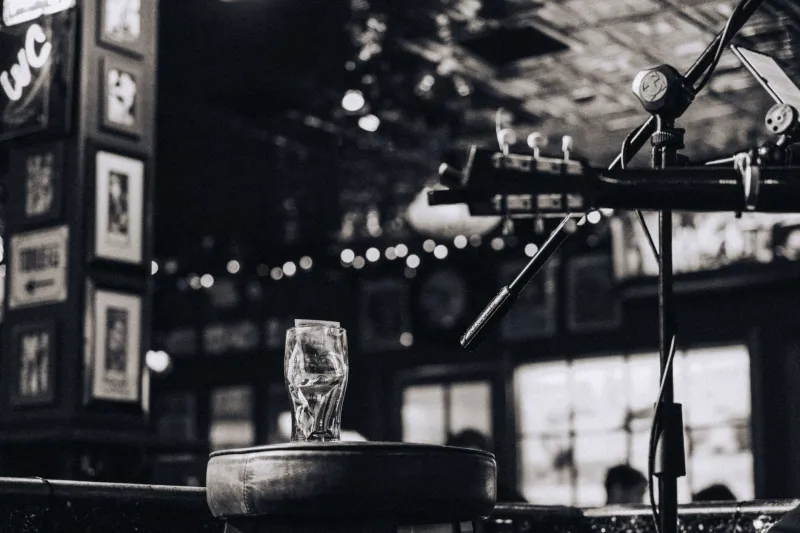
Doors at half seven. The room is a pub back bar with a low ceiling, a radiator that ticks, and a stage that is really just a cleared corner beside the fruit machine. I have soundchecked, eaten something beige, and thanked the person who lent me a lead. Now comes the hour that does not appear in any promo photo: the last sixty minutes before the room fills.
I used to treat that hour as dead time. I would pace, check my phone, retune the same guitar three times and convince myself that the setlist was wrong. It never made me play better. These days I have a small routine — not lucky pants, not a superstition, just five practical moves that get me from being a slightly frazzled person in a corridor to being someone who can actually listen when the first song starts.
First: put the kettle on before the clock
A cup of tea is not a personality. It is a job for my hands. While the kettle boils, I stop refreshing my phone and start noticing where I am. Is there a mug with a chip in the rim? Is the tap dripping? Is the venue cat allowed near the merch table? Small details bring me into the building instead of leaving me stuck in my own head.
I also set a quiet alarm for fifteen minutes before doors. Not to create drama, but to stop the hour disappearing into a scroll. If the tea goes cold, fine. The point is the pause, not the brew.
Second: tune to the room, not just the tuner
A clip-on tuner is useful. It is not the whole story. Old pub rooms, village halls and converted churches all have their own opinions. Radiators dry the air out. Old wiring can hum. A low ceiling can make an acoustic guitar sound like it is being played inside a wardrobe.
So I tune, then I play one chord and let it ring. I listen for whether the room is swallowing the top end or bouncing it back at me. I check the low string with a heavier thumb than I might use on record. It is less about perfection and more about introducing myself to the space. By the time I have done that twice, my ears have caught up with my hands.
Third: warm the voice like it is part of the room
I am not a opera singer and I am not going to pretend that ten minutes of humming makes me one. But the voice is a room too, and it needs a chance to open up. Lip trills in the corridor. A few gentle slides. A verse sung quietly into the wall. I avoid shouting over the bar, which is the single fastest way to make the first song feel like a climb.
If there is no private corner, I hum while I coil cables. It looks odd. Nobody cares. The point is to arrive at the first line with something in reserve.
Fourth: find the quiet corner and write three things
The setlist is already done. Re-writing it now is usually just anxiety wearing a lanyard. Instead, I write three short lines on the back of a receipt: the first line of the opening song, one thing I want to remember, and one thing I am letting go of. The third one is often something deeply unglamorous, like “stop apologising for the new song” or “do not tell the long story about the coach”.
This is the part that turns nerves into focus. Nerves are just energy with nowhere to go. Giving them a small, specific job is kinder than telling myself to calm down.
Fifth: walk the room before it is full
Before doors, the room is still honest. I walk from the stage to the back door. I notice where the sightlines break, where the bar queue will form, where the light falls. I say hello to the sound engineer and ask if there is anything they need. I check that the merch table is not blocking a fire exit. It is not a mystical act. It is just the difference between playing at a room and playing with it.
By the time the first people come in, I am not hyped. I am available. That is the version of ready I want. The gig is a conversation, and the last hour is mostly about learning to listen before I speak.