Sign-Off at 30mph: Why I Trust a Ford Fiesta More Than My Studio Monitors
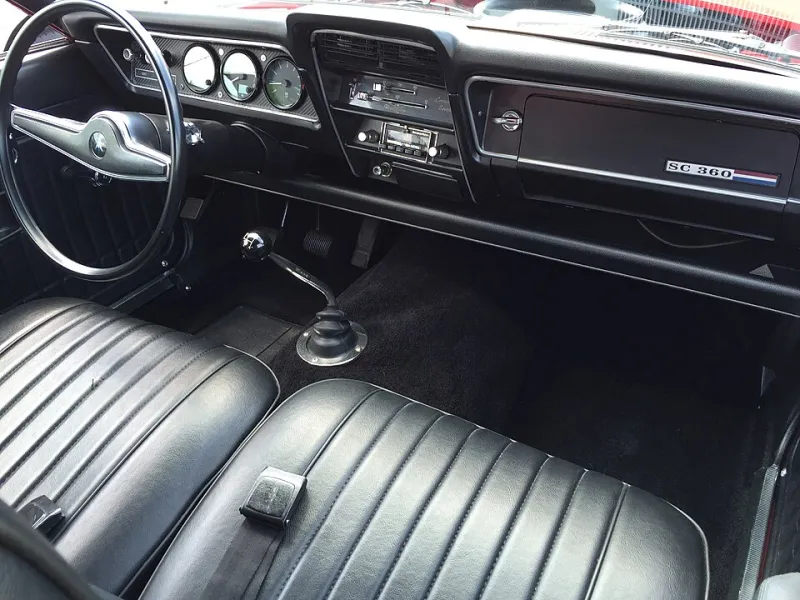
Photo: CZmarlin — Christopher Ziemnowicz — a photo credit is required if this image is used anywhere other than Wikipedia., CC BY-SA 4.0, via Wikimedia Commons
There is a particular kind of silence after you export a mix. The monitors have stopped, the room is still doing its little hum, and you convince yourself it's done. Then you carry the hard drive out to the car and find out what you actually made. I've been doing this long enough to trust the car more than the room. The car doesn't care about your reference tracks or your acoustic panels. It cares about whether the vocal sits, whether the bass makes the door card rattle, and whether the whole thing feels like a song when you're doing 30mph past a retail park.
The Room With No Treatment
My studio is a box room with a duvet on one wall and a shelf of books that I pretend is diffusion. It sounds fine. It sounds like a room. The problem is that I know it too well. I know where the kick drum lands, I know how the snare feels at low volume, and I know exactly which corner makes everything sound like a wet sock. That familiarity is useful for tracking and useless for finishing. The car is the opposite. It's a 2011 Ford Fiesta with one working door speaker and a dashboard that buzzes at 80Hz. It is not accurate. It is honest. There's a difference.
What the Car Hears That the Studio Doesn't
The first thing that disappears in the car is usually the thing I was most proud of. A clever guitar part, a little synth pad, a harmony that sounded like a choir in the room. In the car it becomes a smudge. The second thing that appears is the vocal. If the vocal is too quiet, the car will tell you. If it's too loud, the car will tell you that too, usually by making the whole mix feel like a karaoke backing track. I've learned to listen for three things on the drive home: the first line of each verse, the chorus lift, and whether I can hear the words without trying. If I have to concentrate to understand the lyric, the mix isn't done.
The Kitchen Radio Is a Liar in a Good Way
The kitchen radio is a small DAB thing that lives next to the kettle. It's mono, it's tiny, and it has a habit of making everything sound like it's coming from inside a cereal box. That's the point. If the song still works through that speaker, it works. I'll make a cup of tea and play the mix at a volume that's just above the noise of the kettle. If the chorus doesn't arrive, I know the arrangement is relying on low end that isn't there. If the vocal disappears, I know the midrange is crowded. The kitchen radio doesn't flatter. It just gets on with it.
A Phone Speaker on the Top Deck
The bus test is the one I take most seriously because it's the one nobody plans for. I'll put the mix on my phone, get on the top deck of the 43, and play it at a volume that's probably annoying the person in front. The phone speaker has no bass, no stereo width, and no mercy. It will expose a mix that only works when there's a subwoofer in the room. It will also tell you if the song has a hook. If I find myself looking out of the window instead of listening, that's data. If I find myself rewinding the chorus, that's better data.
The Three-Listen Rule
I don't fix anything in the car. That's important. The car is for listening, not for mixing. I'll make notes on my phone — 'vocal low in verse two', 'snare too loud in the fill', 'bass drum flabby at the top of the chorus' — and then I'll go back to the studio and address them. The rule is three listens: one in the car, one in the kitchen, one on the phone. If all three pass, the mix is done. If one fails, I go back. It sounds obsessive. It is obsessive. But it's cheaper than releasing something that only sounds good in one room.
The Devices Are Not the Enemy
There's a tendency to blame cheap speakers for bad mixes. I don't buy it. Cheap speakers are collaborators. They're the friend who tells you your jacket is too loud. They don't have the vocabulary to explain why, but they know. The studio monitor is the friend who says it looks fine because they've seen you in worse. You need both. You just need to know which one to trust when the car door slams.
So the next time you think a mix is finished, take it for a drive. Not a long one. Just enough to get past the end of the street and back. If it survives that, it might survive the world. If it doesn't, you've still got time. The car stereo is the last honest room in the building. Use it.