Steal the Silence, Not the Shtick: Six Stage Habits I've Borrowed From Better Frontpeople
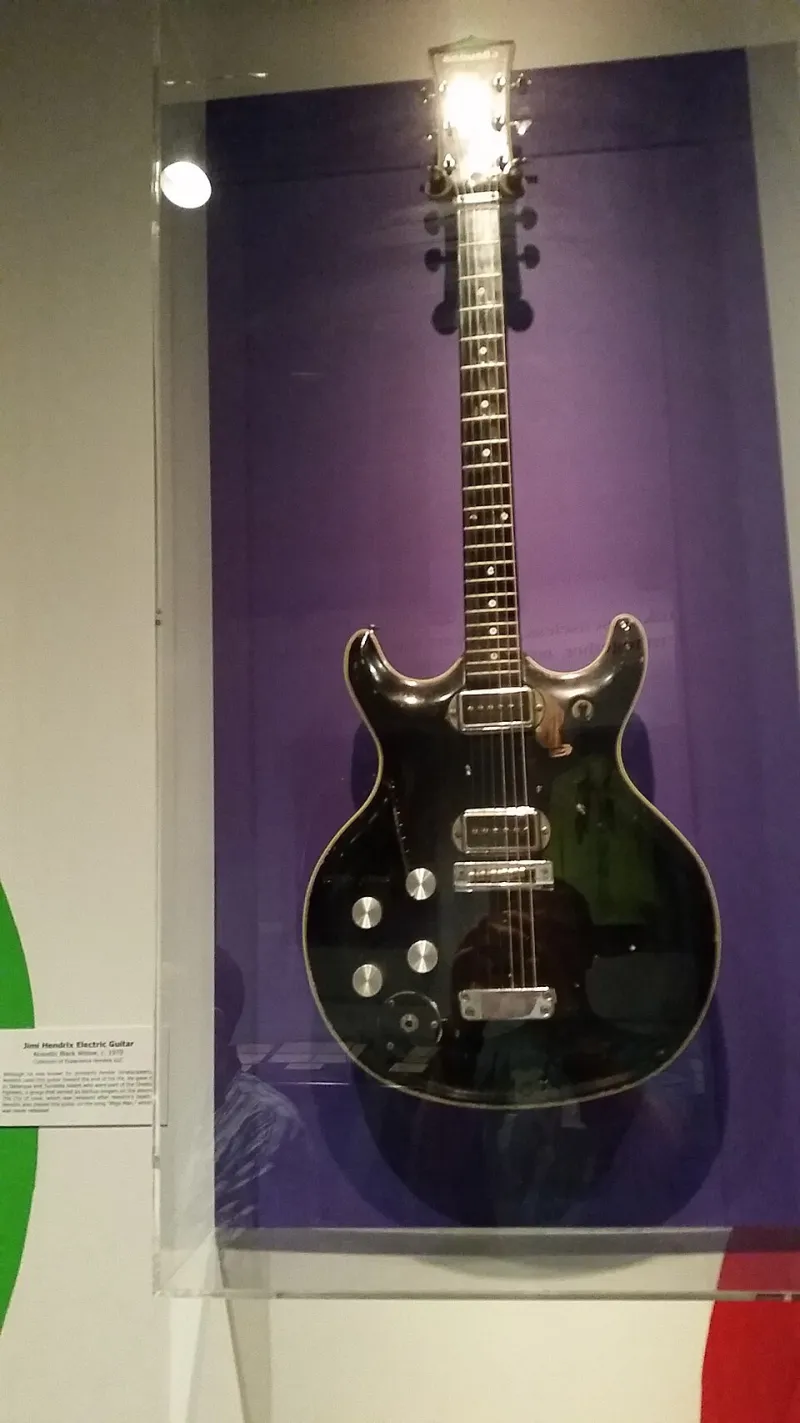
Photo: Zurich_99, CC BY-SA 2.0, via Wikimedia Commons
I've learned more from watching other people's soundchecks than from any book about stagecraft. You see the good ones do small things. They don't look like tricks. They look like manners. Then you try them yourself and realise they're the difference between a set that feels like a conversation and one that feels like a series of announcements.
1. Say the Song Title Before You Start
I stole this from a woman who played a support slot at a club in Manchester. She had a loop station, a violin and about twenty minutes. Before every song she said the title, plainly, like she was introducing a friend. 'This one's called The Long Way Round.' No preamble. No 'I wrote this in a hotel room in 2019'. Just the name. It gave the audience something to hold on to. I started doing it. It feels obvious. It also stops you from assuming people know what's coming. They don't. Tell them.
2. Hold the Silence
There's a frontman I saw at a folk night in Sheffield who could hold a room in silence for a full five seconds before starting a song. Not in a pretentious way. He'd finish tuning, look up, wait until the chatter had died, and then count in. The silence wasn't a demand. It was an invitation. I've tried it. It's terrifying. The first two seconds feel like an hour. But if you trust it, the room comes to you. You don't have to shout. You just have to wait.
3. Stop When the Song Stops
This one I learned from a band in Bristol. They were loud and messy and great. The singer would finish the last line, step back from the mic, and say nothing. No 'thank you', no 'that was a new one', no 'we've got CDs at the back'. Just a beat. Then the next song. The silence between songs was part of the set. It made the songs feel bigger. I used to fill every gap with chatter. Now I try to let the last note land. It's harder than it sounds.
4. Count In With Your Eyes
A drummer in Leeds taught me this without meaning to. He counted in with a nod, not a shout. The band watched him. The audience didn't notice. It was the cleanest start I've ever heard. I've started doing it with my acoustic sets. I make eye contact with the sound engineer, or the person on the door, or just the front row, and I nod. It's a small thing. It makes the room feel like it's in on the start.
5. Thank the Person Who Fixed the Monitor by Name
I saw a singer at a festival in Shropshire do this. The monitor had been feeding back for two songs. The engineer sorted it. The singer said, 'Thanks, Dave.' Not a big speech. Just the name. Dave looked like he'd won the lottery. I've started asking names at soundcheck. It's not just polite. It's practical. If something goes wrong, you want the person with the spanner to be on your side. And they remember.
6. Leave Before the Applause Dies
This is a weird one. A frontperson I watched in Kent finished the last song, said 'thank you', and walked off while people were still clapping. It felt abrupt at first. Then I realised it was confident. They didn't need to stand there and soak it up. They trusted the room to keep going. I don't always manage it. I usually say something. But I've started to leave the stage a bit earlier than my instinct tells me to. The applause follows you. That's fine.
The One I Left in the Car Park
The trick I've deliberately refused is the fake encore. You know the one. The band plays a big song, walks off, waits for the crowd to clap, then comes back for one more. It works. It's a machine. I've seen it work beautifully. But I've also seen it work on a Tuesday in a room with thirty people, and it felt like a lie. I don't want to pretend I've left when I haven't. If I've got one more song, I'll play it. If I haven't, I'll say goodnight. The fake encore is a good trick. It's just not mine.
So those are the six. None of them are original. All of them are borrowed. That's the job. You watch, you steal the good bits, and you leave the shtick by the bins.